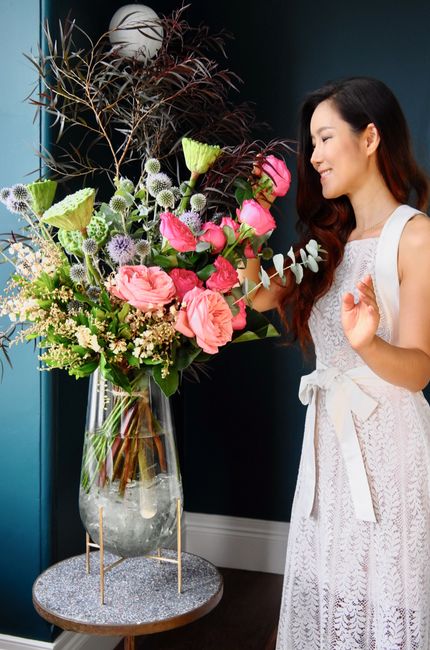
Corporate flower subscriptions for Richmond offices TW9
If you manage an office in Richmond and want the space to feel calmer, sharper, and more welcoming, Corporate flower subscriptions for Richmond offices TW9 are one of those small upgrades that quietly do a lot of heavy lifting. They freshen reception areas, soften meeting rooms, lift morale, and make the place feel considered rather than thrown together. And in a busy office, that matters more than people sometimes admit.
This guide breaks down what a corporate flower subscription actually involves, how it works in practice, what to watch out for, and how to choose an arrangement style that suits a TW9 workplace without creating extra admin. You'll also find a step-by-step setup, a practical checklist, a comparison table, and answers to the questions people usually ask once they get serious about office flowers. Let's face it, nobody wants another "nice idea" that becomes a monthly headache.
Table of Contents
- Why Corporate flower subscriptions for Richmond offices TW9 Matters
- How Corporate flower subscriptions for Richmond offices TW9 Works
- Key Benefits and Practical Advantages
- Who This Is For and When It Makes Sense
- Step-by-Step Guidance
- Expert Tips for Better Results
- Common Mistakes to Avoid
- Tools, Resources and Recommendations
- Law, Compliance, Standards, or Best Practice
- Options, Methods, or Comparison Table
- Case Study or Real-World Example
- Practical Checklist
- Conclusion
- Frequently Asked Questions
Why Corporate flower subscriptions for Richmond offices TW9 Matters
Office flowers do more than decorate a desk or brighten a reception counter. In a place like Richmond, where many businesses care about presentation, client experience, and the feel of the workspace, fresh flowers can signal attention to detail before anyone has even said hello. That first impression is sometimes doing more work than the brochure, if we're honest.
A subscription model is especially useful because it removes the guesswork. Instead of someone remembering to order flowers now and then, a set delivery rhythm keeps the office looking cared for. Weekly, fortnightly, or monthly schedules can be matched to how busy your space is, how much footfall it gets, and how quickly arrangements tend to fade in your environment.
There's also a real practical side. Offices in TW9 often need decor that is polished but not distracting. You want something that works in natural daylight, under strip lighting, near laptops, in meeting rooms that are always a bit too warm, and in reception areas where people may be waiting for five minutes or fifteen. Flowers can quietly balance all that. A good arrangement softens hard interiors and makes the room feel more human.
Expert summary: a well-run flower subscription is not just a decorative service; it is a small operational system that supports brand image, staff experience, and visitor comfort without adding more admin to the team.
For Richmond offices, locality matters too. Delivery timing, access, and building rules can make a bigger difference than people expect. A florist who understands office entrances, concierge desks, loading patterns, and the general pace of London delivery will usually create fewer disruptions. That's one reason businesses often prefer a recurring service over one-off ordering.
How Corporate flower subscriptions for Richmond offices TW9 Works
At its simplest, a corporate flower subscription is a recurring delivery service for business premises. You choose the style, frequency, size, and budget, and the florist prepares fresh arrangements on schedule. The goal is steady presentation with minimal effort on your side. Simple in theory. In practice, the good ones are the ones that adapt well to your office rather than forcing a fixed format onto it.
Here's how the process usually works:
- Initial brief: you share the office layout, reception style, brand colours if relevant, preferred vase styles, and any practical limitations such as narrow lift access or a desk that cannot get direct sun.
- Subscription planning: the florist suggests frequency, arrangement size, seasonal approach, and whether you want one statement display or several smaller pieces.
- Delivery setup: a routine is agreed for drop-off times, building access, and who receives the flowers. In many offices, this is as important as the flowers themselves.
- Installation or placement: some services simply deliver; others place the flowers in the right spot and remove any old stems or packaging.
- Ongoing refresh: the next delivery arrives before the previous one has passed its best, keeping the office looking consistently fresh.
The best subscriptions are flexible. If your office gets quieter in August, hosts client meetings on specific weekdays, or suddenly has a major event, a good florist should be able to shift the plan. That kind of responsiveness is worth more than a fancy vase, to be fair.
There are also a few moving parts behind the scenes that people rarely think about: water changes, vase cleaning, stem conditioning, seasonal substitutions, and delivery timing. In an office, where people may not have the time or inclination to manage flowers every few days, those details matter. They're the difference between "lovely" and "why is this drooping by Thursday?"
If your team already uses recurring services for other parts of the office, such as cleaning, refreshments, or visitor support, flowers slot into that same way of working. You set the standard once, then let the routine do the work.
Key Benefits and Practical Advantages
There's no shortage of pretty reasons to have flowers in an office, but the practical benefits are the ones that usually convince decision-makers. If you're comparing options for a Richmond workplace, these are the strongest advantages.
- Consistent first impressions: visitors see a cared-for space from the moment they step in.
- Better atmosphere: flowers can make a room feel less sterile and more welcoming.
- Less internal admin: subscription deliveries are easier than repeated one-off ordering.
- Seasonal variety: arrangements can change with the time of year, which keeps the office from feeling stale.
- Brand alignment: colours, vase choices, and arrangement style can reflect the office tone.
- Staff morale: small environmental improvements can make everyday work feel more pleasant.
There is also a subtle but important psychological effect. People tend to notice well-kept spaces, even if they don't comment on them. A fresh arrangement in reception can make an otherwise ordinary weekday feel a touch more composed. You know the kind of office. A little noise, a few laptops open, someone waiting for a meeting, and then the flowers do their quiet job in the background.
Another advantage is that subscriptions help avoid last-minute scrambles. Without a plan, flowers are often purchased only when there's a client visit or event, which can lead to rushed choices and uneven quality. A recurring arrangement keeps the standard stable. That predictability is valuable, especially for office managers juggling a dozen other things.
And if you care about the office's visual identity, recurring flowers can be part of that. Some companies choose classic whites and greens for a clean corporate look. Others go brighter, using seasonal colour to bring energy into meeting areas. Neither is inherently better; the right choice depends on the room and the impression you want to create.
Who This Is For and When It Makes Sense
Corporate flower subscriptions are not just for large headquarters with glossy lobbies. In fact, some of the best fit offices are smaller teams that want to make a strong impression without a lot of fuss. If your workplace in TW9 has visitors, client meetings, or a shared reception area, you're already in the right territory.
This tends to make sense for:
- professional services firms
- creative agencies
- medical, wellness, or client-facing practices
- co-working spaces
- property, finance, or legal offices
- hospitality-adjacent businesses with front-of-house areas
- any office that regularly hosts interviews, visitors, or meetings
It's especially useful when the office has a visible front desk or meeting suite that gets seen frequently. If nobody ever enters the room, flowers are less essential. Harsh, maybe, but true. The value is highest where people actually experience the space.
It also makes sense when your team is tired of handling ad hoc purchases. Perhaps one person always ends up ordering flowers, or the same arrangement keeps getting forgotten until the last minute. That's exactly the kind of recurring task a subscription should remove. A good subscription doesn't just decorate; it takes one more thing off the list.
There are also seasonal moments when subscriptions become more valuable: spring openings, autumn client season, festive periods, or after an office refurb when the space needs softening. Some offices use a subscription as a permanent feature. Others use it around key business periods. Both approaches work. The right one depends on budget, traffic, and how much visual polish matters to your team.
Step-by-Step Guidance
If you're setting up a flower subscription for the first time, it helps to treat it like any other office service: define the need, set the standard, then test what works. Here's a practical way to go about it.
1. Decide where the flowers will live
Start with the physical space. Is it reception only, or do you want flowers in a meeting room, breakout area, or private office? A large arrangement may look perfect in a wide lobby but feel awkward on a small side table. Measure the space if needed. Yes, really. A surprising number of floral headaches come down to scale.
2. Choose the purpose
Ask what the flowers need to do. Welcome clients? Create a calm atmosphere? Reflect the brand? Support a special event schedule? Once you know the purpose, the style becomes easier to choose. A quiet, elegant arrangement and a high-energy colourful display serve different jobs.
3. Set the delivery frequency
Weekly is the most polished option, but it is not always necessary. Fortnightly may be enough for smaller offices or more durable arrangements. Monthly can work for low-traffic spaces where longevity matters more than constant change. Don't overbuy just because it sounds premium. Choose what suits the room.
4. Define the budget honestly
A realistic budget helps the florist recommend something sustainable. If you want high-impact arrangements but only on a modest budget, say so early. A straightforward brief usually gives better results than a vague "make it amazing" request, charming though that is.
5. Agree the practical details
This is where many offices trip up. Decide who receives deliveries, whether the florist can access the building without delays, and whether packaging should be removed on site. If your office has concierge rules or timed access windows, write them down clearly.
6. Review after the first few deliveries
Once the subscription starts, look at what actually happened. Did the vase size work? Did the flowers last long enough? Was the style right for the room? A tiny tweak early on can make the whole service run more smoothly. This part is never glamorous, but it saves time later.
One useful habit: take a quick photo of each arrangement when it arrives. Not for social media, unless you want to, but to track what works best in the space. After a few cycles, patterns become obvious.
Expert Tips for Better Results
There's a big difference between "flowers delivered" and "flowers that make the office feel better every week." The second version takes a bit of thought, but not much. Here are the tips that usually make the biggest difference.
- Match the arrangement to the room, not the trend. A trendy shape may look lovely in a magazine and wrong in a narrow reception area.
- Use seasonality to your advantage. Seasonal stems often feel fresher and more natural in office settings.
- Keep the colour palette controlled. Two or three core tones usually work better than a rainbow of competing colours.
- Think about scent. Strong fragrance can be distracting in a meeting room, so softer-scented options are often better.
- Choose longer-lasting stems where possible. Offices benefit from varieties that hold up well under indoor conditions.
- Plan for weekends and holidays. If a delivery lands before a long closure, ask how the flowers should be handled.
A small but important detail: air conditioning and heating can shorten vase life. That's not a flaw in the flowers, it's just the reality of office life. If your reception sits near a vent or a hot sunlit window, mention it. A florist can usually adapt the stem mix accordingly.
It also helps to think about the mood you want at different times of year. In winter, a richer palette can make the office feel warmer. In summer, lighter textures and softer tones can stop the space feeling heavy. These are subtle changes, but subtle is often exactly what you want in a corporate setting.
And yes, flowers can be used sparingly and still make an impact. You do not need a grand hotel-lobby arrangement for every office. Sometimes one well-placed, beautifully balanced display does the job better than three mediocre ones. Funny how that works.
Common Mistakes to Avoid
Most problems with office flower subscriptions are not dramatic. They're usually small planning errors that become annoying over time. The good news is they're easy to avoid once you know what to look for.
- Choosing size before function: a huge arrangement in the wrong place becomes visual clutter.
- Ignoring building access: if a delivery can't get in smoothly, the whole experience becomes awkward.
- Picking flowers that fade too quickly: some looks are lovely but not practical for offices.
- Forgetting maintenance responsibility: if the arrangement needs water top-ups, someone must own that task.
- Not thinking about holidays: flowers delivered before office closures can go off too soon.
- Using too much fragrance: a strong scent can be overpowering in shared workspaces.
Another common mistake is assuming every area of the office needs the same arrangement. It doesn't. Reception, boardroom, and breakout space usually need different treatments. What works in a client-facing lobby may feel too formal in a kitchen or lounge. Different rooms, different moods.
People also underestimate the impact of vase choice. A vase that is too tall, too narrow, or too visually heavy can throw the whole composition off. It's a small detail, but office design is full of small details. That's the game, really.
One more thing: don't let the subscription drift. If you notice the flowers are consistently arriving a bit too early, too late, or in the wrong style, say so. Good service is responsive service. Silence often just creates more of the same.
Tools, Resources and Recommendations
You do not need a complicated toolkit to manage office flowers, but a few simple systems make the process much easier. If the office is busy, these little habits are worth their weight in lilies.
- Delivery calendar: keep the schedule visible to office managers or reception staff.
- Photo reference folder: save images of arrangements that worked well in your space.
- Contact list: keep one clear point of contact for delivery access and substitutions.
- Budget tracker: monitor recurring spend so the subscription stays aligned with office priorities.
- Maintenance notes: record what lasted well, what needed more water, and which flowers felt too scented.
It can also be useful to read supporting guidance on related topics if you want to make smarter choices. For example, our page on corporate accounts explains how recurring business ordering can be structured more efficiently. If you're comparing delivery styles or timing, the information on delivery is worth a look too.
For practical care once the flowers are in the office, the advice on flower care is a solid reference. And if sustainability is important to your company policy, the sustainability page can help frame those decisions in a more responsible way.
From a broader planning perspective, you may also find the site's guidance on guarantees useful when setting expectations, especially if the office wants consistent standards for quality and freshness. If your team cares about cost control, the article on average cost of bespoke bouquets in Richmond can help you think about value, even if office arrangements are not identical to gifting bouquets.
Law, Compliance, Standards, or Best Practice
For most offices, flower subscriptions are straightforward and low risk, but there are still sensible best practices to follow. In a shared workplace, the main concerns are practical rather than legal: access, cleanliness, waste, and making sure arrangements do not create avoidable hazards.
If flowers are displayed in reception or circulation areas, they should not block exits, clutter walkways, or interfere with accessibility. That sounds obvious, but in a busy office a tall arrangement can end up on a side table in the wrong place because it "looks nice there." Looks nice is not the same as safe or convenient. The same goes for water spill risks on polished floors or near electrical equipment.
Office managers should also think about people with allergies or sensitivities. Heavily scented flowers are not always ideal in enclosed workspaces. There's no need to overcomplicate it; just choose varieties and placement carefully, and listen if staff raise concerns.
Waste handling is another consideration. When arrangements are replaced, packaging and green waste should be disposed of appropriately according to your office procedures and any building management rules. If your building has a concierge or facilities team, check whether they have preferences for packaging removal or waste bins. It saves awkwardness later.
It is also good practice to keep a clear understanding of service terms: delivery windows, replacement expectations, cancellation notice, and what happens if the office is closed unexpectedly. That's not legal jargon, just sensible business housekeeping. And frankly, it avoids a lot of back-and-forth.
If your office operates in a building with strict access rules or shared reception management, make sure the florist knows the procedure. No one enjoys a delivery driver standing outside while a phone rings unanswered upstairs. Been there, not fun.
Options, Methods, or Comparison Table
Not every office needs the same setup. Some prefer a single statement piece, while others want smaller arrangements across multiple rooms. The right approach depends on the space, the workflow, and how much visual impact you want.
| Option | Best for | Strengths | Trade-offs |
|---|---|---|---|
| Reception statement arrangement | Client-facing offices, lobbies, front desks | High visual impact, strong first impression, simple to maintain | May not cover the rest of the office, can be oversized if space is tight |
| Multiple smaller arrangements | Meeting rooms, shared workspaces, larger offices | Flexible, balanced coverage, easier to place in varied rooms | More items to manage, can feel busy if not coordinated |
| Seasonal rotating scheme | Brands that want freshness and variety | Feels dynamic, reflects the time of year, keeps the space interesting | Needs clearer planning and stronger style consistency |
| Low-maintenance recurring arrangement | Busy offices with limited admin | Reliable, practical, cost-conscious, easy to manage | Less decorative flexibility, may feel simpler than premium designs |
If you want the cleanest possible routine, a reception-led subscription is often the easiest place to start. If your office has several client-facing zones, a multi-room approach usually works better. There's no universal winner here. The best option is the one that fits the way people actually move through the space.
Case Study or Real-World Example
Imagine a small Richmond consultancy with eight staff, a reception desk, and one glass meeting room that gets used all day. The office looks good enough, but it feels a bit flat. Visitors arrive, sit down, and the room does the job without making much of a statement. The team wants something modest but polished.
Instead of ordering flowers only for client pitches, they set up a recurring subscription. They choose a medium arrangement for reception, fortnightly delivery, and a colour palette built around whites, soft green, and one muted seasonal accent. The florist also agrees to keep the arrangement low enough not to block sight lines across the desk. Simple request, big difference.
After the first month, the office notices a few things. Reception feels more welcoming in the morning light. Staff stop commenting on how "bare" the space feels. Clients seem to settle more easily while waiting for meetings. Nothing dramatic, no miracle transformation. Just a better atmosphere, day after day.
There were also practical adjustments. One delivery was left at the wrong entrance because access notes were too vague. That was quickly fixed. Another arrangement used a flower that was slightly too fragrant for the meeting room, so the next cycle switched to a milder option. That's the real value of a subscription: it gets better once the office and florist learn the space together.
By the third delivery, the setup was running smoothly. It wasn't glamorous work, but it made the office feel more professional and more lived in. And that, in a client-facing business, counts for a lot.
Practical Checklist
Use this checklist before you start or renew a flower subscription for your Richmond office.
- Decide which office areas need flowers.
- Confirm whether the goal is branding, ambience, or client welcome.
- Choose a delivery frequency that fits your traffic and budget.
- Check building access, concierge rules, and delivery windows.
- Set a realistic budget and share it clearly.
- Think about scent sensitivity and room ventilation.
- Choose vase and arrangement sizes that suit the furniture.
- Ask how substitutions are handled if a stem is unavailable.
- Confirm who receives the delivery and who checks placement.
- Review performance after the first few drops and adjust if needed.
If you can tick most of these off before the first delivery, you're already ahead of the curve. Honestly, that alone avoids half the problems people run into.
Conclusion
Corporate flower subscriptions for Richmond offices TW9 are a smart, low-friction way to improve the feel of a workplace while keeping the routine easy to manage. They support first impressions, help staff feel more comfortable, and give office spaces a steadier sense of care. The best results come from simple planning: pick the right scale, agree on delivery details, and choose arrangements that suit the room rather than just the mood board.
If you want a workspace that feels considered without creating extra admin, a subscription is one of the few upgrades that keeps paying off quietly in the background. Not flashy. Just effective. And sometimes that's exactly what an office needs.
Get a free quote today and see how much you can save.
Frequently Asked Questions
What is included in a corporate flower subscription for an office?
Most subscriptions include recurring delivery of fresh arrangements on an agreed schedule, with the style, size, and frequency tailored to the office. Some services also include vase placement, replacement planning, or care guidance.
How often should Richmond offices receive flowers?
That depends on traffic, room conditions, and budget. Weekly delivery suits busy client-facing spaces, while fortnightly or monthly may be enough for smaller offices or lower-traffic areas. The right frequency is the one that keeps the office looking fresh without waste.
Are flower subscriptions suitable for small offices in TW9?
Yes, absolutely. In smaller offices, one well-placed arrangement can make a noticeable difference. You do not need a large reception area to benefit from a recurring floral display.
How do I choose flowers that work in a corporate setting?
Look for arrangements that suit the room size, lighting, and office tone. Many businesses prefer controlled colour palettes, moderate fragrance, and flowers known for good vase life. The practical fit matters more than chasing a trend.
Can a subscription be changed if the office schedule changes?
Usually, yes, though it depends on the provider's flexibility. Offices often need to adjust around holidays, events, or seasonal quiet periods. It is best to agree how changes are handled at the start.
Do office flowers need special maintenance?
Some arrangements need very little attention, while others may need occasional water top-ups or repositioning away from heat and direct sun. A good florist should explain what your team needs to do, if anything.
What should I do if the flowers arrive damaged or unsuitable?
Report it promptly and provide a clear photo if possible. Reliable services usually want the issue raised quickly so they can correct it on the next delivery or replace the arrangement where appropriate.
Are scented flowers a bad idea for offices?
Not always, but strong fragrance can be distracting in enclosed or shared spaces. Lightly scented or low-scent options are often safer choices for meeting rooms and reception areas.
How can I make office flowers last longer?
Keep them away from heat sources, direct sunlight, and drafty spots. Clean vases help too, and fresh water matters more than people think. The guidance on flower care offers practical reminders that are easy to follow.
Is a corporate flower subscription worth it for client-facing businesses?
Usually, yes. If visitors regularly enter the office, flowers can improve the overall impression and make the space feel more polished. The value is often felt more than measured, but it is real.
Can sustainability be part of an office flower plan?
Yes. Many businesses prefer seasonal stems, reduced waste, and sensible delivery planning. If sustainability matters to your company, it is worth discussing that early so the subscription reflects those priorities.
What is the biggest mistake offices make with flower subscriptions?
The most common mistake is choosing the wrong size or style for the space. A beautiful arrangement can still feel wrong if it overwhelms the room or does not suit the office's daily use. Fit matters. Quite a lot, actually.