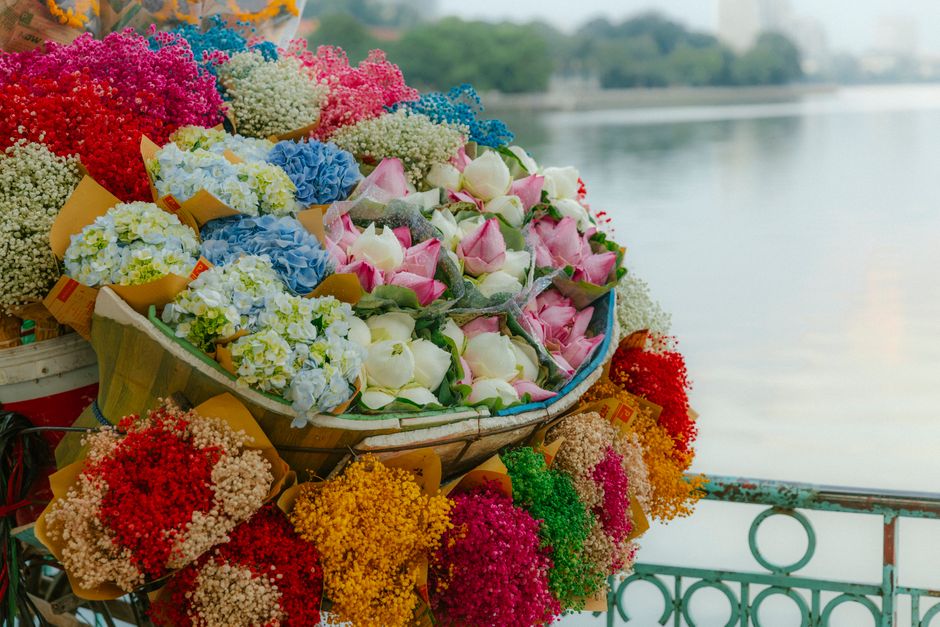
Do you need permits for floral displays at Richmond Riverside?
If you are planning floral displays at Richmond Riverside, the permit question can feel oddly slippery. One minute you are choosing roses and trailing greenery, the next you are wondering whether a temporary installation needs permission, who actually gives it, and what happens if you get it wrong. So, do you need permits for floral displays at Richmond Riverside? The honest answer is: sometimes yes, sometimes no, and it depends on where the display sits, how big it is, how long it stays up, and whether it affects public space, access, or safety.
This guide breaks that down in plain English. You will find out what typically triggers a permit, how the process usually works in practice, what to watch out for, and how to keep things beautiful without creating a compliance headache. If you are arranging a seasonal showcase, a wedding feature, a brand activation, or a shopfront flourish near the riverside, this is the kind of detail that saves time later. And yes, saves a few nerves too.
Why permits for floral displays at Richmond Riverside matter
At first glance, floral displays seem harmless enough. Flowers are soft, temporary, and usually very welcome. But once you place them in a public-facing environment like Richmond Riverside, they stop being just decoration. They become part of a site that may involve pedestrian movement, event activity, public access, access routes for staff or vehicles, and sometimes shared use of land that is not privately controlled end to end.
That is why permission can matter. A display might be perfectly fine on a private terrace, but need approval if it extends onto a frontage, pavement edge, promenade, or any area where the public expects free movement. Even a simple arrangement can become an issue if it narrows a route, creates trip hazards, blocks visibility, or uses fixings that affect the surface. To be fair, most problems are not about the flowers themselves. They are about the setting.
There is also a reputational angle. If you are hosting an event or representing a business, a display that looks polished but turns out to have been installed without permission can create awkward conversations later. That is nobody's favourite email. Getting the process right upfront is usually cheaper, calmer, and cleaner.
Practical takeaway: the need for a permit is less about "flowers" and more about location, duration, scale, and impact on the surrounding space.
If you are ordering arrangements for a wider campaign or special occasion, it can also help to think beyond the display itself. Delivery timing, presentation, and care all shape the finished result, which is why many people plan alongside details like flower delivery and aftercare. Small detail, big difference.
How permits for floral displays at Richmond Riverside usually work
There is no single one-size-fits-all rule that covers every floral installation. In practice, the process tends to follow a fairly sensible pattern: identify the exact space, work out whether it is private or shared, decide whether the display is temporary or fixed, and then check whether consent is needed before anything is installed.
Here is how it usually unfolds in real life.
1. Define the display
Start by being specific. Is it a low arrangement on a table, a suspended floral feature, a temporary arch, a planter grouping, or a branded installation that sits outside a venue? The more precise you are, the easier it is to assess risk and permission requirements. "Some flowers outside" is not a helpful description, unfortunately.
2. Confirm the exact location
Location changes everything. A floral display inside a private venue usually sits in a very different permission category from one placed on a riverside walkway or frontage. Even a few extra feet can matter if the display touches a boundary, shares access with the public, or affects nearby routes.
3. Check whether the display is temporary or semi-permanent
A one-day wedding arrangement is often treated differently from a display left in place for several weeks. The longer something stays, the more likely it is to trigger questions about maintenance, safety, stability, and permission.
4. Assess practical risk
Think beyond aesthetics. Can someone trip on the base? Could wind shift the arrangement? Are water containers secure? Will pedestrians need to step around it? Will the display shed petals, foliage, or packaging? All of this matters more than people expect. A display can be beautiful and still be a nuisance if it has not been thought through properly.
5. Seek approval if the display touches public or managed space
If the installation may affect public land, access, or managed riverside space, you should assume permission may be needed until you have confirmed otherwise. That may mean speaking to the relevant property manager, venue operator, event organiser, or local authority contact, depending on the exact setting. Better to ask early than to dismantle the display later.
For customers and organisers who want to keep the flowers themselves fresh and well-presented, it helps to arrange trusted preparation and reliable handling. If the display is part of a broader order, reviewing delivery details and flower care guidance is a sensible part of planning. Not glamorous, maybe, but very useful.
Key benefits and practical advantages
Getting permits sorted, where needed, is not just a formality. It can make the whole project run smoother. People often think of compliance as a delay, but in practice it removes uncertainty. And uncertainty is expensive when you are working to an event schedule.
- Fewer last-minute surprises: If permission is confirmed early, you can design the display around what is actually allowed.
- Safer installation: A reviewed plan is more likely to account for stability, spacing, and access.
- Better stakeholder confidence: Event organisers, venue teams, and partners tend to relax when there is a clear process.
- Cleaner presentation: Approved placements are usually easier to maintain and less likely to be altered or removed.
- Reduced risk of conflict: Nobody wants a beautiful arrangement becoming a discussion about obstruction or unauthorised use of space.
There is also a creative upside. Once you know the boundaries, you can design more confidently. A florist working within clear parameters can produce something bolder and more elegant because they are not guessing. That is the real win: fewer unknowns, better design decisions, fewer awkward calls on the day.
If the display is tied to a corporate event or recurring business need, it may be worth thinking about how your floral styling aligns with ordering processes, billing, and recurring arrangements. Some organisers keep a close eye on their preferred supplier arrangements through corporate accounts so that repeat activity stays tidy administratively. It is not the exciting part, but it keeps the machine turning.
Who this is for and when it makes sense
This topic matters to more people than you might think. It is not only for event professionals or large brands. Small businesses, private hosts, hospitality teams, florists, and even families organising a one-off celebration can run into the same permit question.
Typical situations where you should pause and check
- Weddings and private celebrations: especially if displays extend outdoors or near shared access areas.
- Retail and hospitality frontage displays: when flowers are placed beyond the shop interior.
- Seasonal installations: such as summer features, festive decor, or anniversary pieces.
- Brand activations and promotions: where the display is part of a public-facing campaign.
- Community events: where several parties are involved and responsibility is less obvious.
- Corporate entertaining: for receptions, launches, or client-facing riverside occasions.
When does it make sense to ask about permits? Usually whenever the answer to any of these is "yes": Does it leave private indoor space? Does it touch a public route? Is it visible and fixed for a meaningful period? Could someone reasonably object to where it is placed? If the answer feels even slightly muddy, check. Honestly, that instinct is usually right.
And yes, you can still keep things elegant and calm. Many people focus so much on permission that they forget the fun part: the actual flowers, the scent in the air, the visual lift of a well-built arrangement on a grey London afternoon. That bit still matters.
Step-by-step guidance
Here is a practical way to move from idea to installation without muddling the process. Keep it simple. Overcomplication is the enemy here.
- Describe the floral display clearly. Include size, height, placement, and whether it will be freestanding, fixed, or table-based.
- Map the location precisely. Note whether it is indoors, at a private entrance, on a riverside edge, or close to a shared path.
- Check who controls the space. Ownership, management, and operational control are not always the same thing.
- Ask whether a permit or written consent is needed. Do this before production starts if possible.
- Confirm any conditions. These may cover access, installation times, weight, fixings, cleanup, or removal.
- Plan for weather and stability. Wind, moisture, and uneven surfaces can all affect the final result.
- Arrange delivery and setup timing. Fresh flowers do not like being left waiting around in a back room for hours.
- Document everything. Keep copies of approvals, agreed conditions, and the final install plan.
- Inspect before opening. Check visibility, safety, and appearance once the display is in place.
- Remove promptly if required. Temporary floral features should come down when agreed. No drama, just good practice.
If you are building the display around a larger event order, it also makes sense to review service and payment details early so there are no surprises later. It sounds mundane, but details like payment arrangements and terms and conditions can matter a lot once a timeline starts moving. A bit boring, yes. Also very useful.
Expert tips for better results
After enough planning conversations, a few patterns become obvious. The best floral displays are rarely the ones with the most flowers. They are the ones that are easiest to place, easiest to maintain, and easiest to understand from a permissions point of view.
Keep the structure lightweight where possible
Large, heavy bases create more logistical questions than people expect. If you can achieve the look with a lighter frame, a lower profile, or modular sections, you often reduce both risk and hassle. The display still looks polished. It just behaves better in the real world.
Choose materials that suit the site
Richmond Riverside can be exposed and changeable, especially on breezier days. Flowers, foliage, containers, and fixings should all be suitable for the environment. If it is damp, busy, or semi-outdoor, build for that rather than hoping for a calm day. Hope is not a plan.
Think about footfall and sightlines
A display that photographs beautifully can still cause friction if it blocks movement or lines of sight. Stand back and imagine the route someone takes at normal walking pace, maybe while carrying coffee or pushing a buggy. That little exercise tells you a lot.
Allow time for changes
Even if your display is approved, the conditions may change after a site walk or a revised event plan. Build in time for amendments. Quick tweaks are normal; reworking them at the last minute is where stress starts to creep in.
Use a point person
One responsible contact avoids confusion. When three people are answering questions and one of them is on a train, things go sideways fast. Keep one decision-maker, even if the team is larger behind the scenes.
If you care about the presentation of the flowers themselves after installation, a few smart care habits help too. Clean water, cool placement where possible, and gentle handling can make a display look fresh for longer. You can always refer to flower care for practical maintenance reminders. Simple, but it works.
Common mistakes to avoid
Most issues around floral displays do not come from bad intentions. They come from people moving quickly and assuming the rules are obvious. They are not always obvious. That is the problem.
- Assuming all floral displays are exempt: temporary decoration still needs permission in some settings.
- Leaving consent too late: by the time the flowers are arranged, it may be awkward or impossible to change the plan.
- Ignoring public access: even a lovely arrangement can be a nuisance if it narrows a route.
- Forgetting about weather: outdoor or semi-outdoor displays need stronger planning than indoor ones.
- Using unstable bases: a display that leans in the wind is a headache waiting to happen.
- Not documenting approval: verbal agreement can be misunderstood later. Get it in writing where possible.
- Overloading the site: more flowers are not always better if the space feels crowded.
One of the sneakiest mistakes is underestimating removal. A display that looks fine on day one can become clutter by day three if nobody has a clear plan to take it down. Truth be told, clean-up is where many "simple" projects turn messy. Better to plan the end from the beginning.
Tools, resources and recommendations
You do not need a giant toolkit to manage floral display permissions well. What you do need is a few reliable habits and some basic documentation. That is usually enough.
Useful things to prepare before asking for permission
- A simple sketch or layout showing placement
- Measurements for height, width, and footprint
- Photos of the intended area
- A brief note explaining duration and purpose
- Any details about fixings, weights, or supports
- Contact details for the responsible organiser
Practical recommendations
Keep your documentation readable. A two-page plan often works better than a big fancy bundle nobody wants to open. Be specific about timing: installation window, display period, and removal window. If multiple people are involved, make sure everyone is working from the same version. Minor chaos loves version confusion.
For anyone planning a wider order alongside the display, it can also be helpful to understand business policies around guarantees and problem resolution. That helps set expectations if something arrives damaged, delayed, or not quite right. A quick look at guarantees and returns and refund guidance can save time later, especially if the display is time-sensitive.
Law, compliance, standards, or best practice
This is the part where careful wording matters. The exact permission rules for floral displays at Richmond Riverside will depend on the landowner, site operator, any event permissions, and the nature of the installation. It would be careless to pretend there is one universal answer. There is not.
In UK practice, displays in or near public-facing spaces are usually judged against a mix of common-sense safety, access considerations, and local site controls. That means you should think about:
- Public access: does the display obstruct a route or reduce usable space?
- Health and safety: could it tip, leak, snag clothing, or create a slip risk?
- Duration: is it a short-term feature or something intended to remain in place?
- Fixings and surfaces: will it damage stone, paving, railings, or furniture?
- Site consent: has the relevant manager, property holder, or organiser agreed?
Best practice is usually straightforward: get approval before installation, keep the footprint modest, use secure and appropriate materials, and remove the display promptly when the agreed period ends. If you are unsure whether the display is too intrusive, that alone is usually a good reason to slow down and ask. A cautious pause now is better than a rushed apology later.
For transparency around how the business handles information, it is also sensible to review the site's privacy policy and cookie policy if you are dealing with online enquiries or bookings. If you want to understand the business ethos more broadly, you can also read the about us page. That may sound like a side quest, but it helps build trust when you are choosing who to work with.
Options, methods, or comparison table
If you are deciding how to present flowers at Richmond Riverside, the safest path is not always the most elaborate one. The right method depends on the space, the duration, and how much control you have over the site. Here is a simple comparison.
| Display method | Typical permit pressure | Best for | Main risk |
|---|---|---|---|
| Indoor table arrangements | Low | Private events, receptions, dining rooms | Usually limited to venue rules and timing |
| Freestanding display near a private entrance | Medium | Retail frontage, hospitality, welcome areas | Can affect access or visibility |
| Outdoor or riverside-facing installation | Medium to high | Brand activations, weddings, seasonal features | Likely to need approval and a safety check |
| Large structural floral feature | High | Major events, photo backdrops, public-facing installations | Fixings, weight, public access, and removal planning |
As a rule of thumb, the more the display looks like an installation rather than a table arrangement, the more likely it is to need formal permission. Small and contained is easier. Big and scenic is beautiful, yes, but it usually brings paperwork along for the ride.
Case study or real-world example
Here is a simple real-world style example based on a common scenario. A small hospitality team wanted a floral display for a riverside evening event. The plan sounded straightforward: a tall arrangement near the entrance, two smaller pieces by the reception desk, and some foliage to soften the welcome area.
Once they mapped the space, they realised the entrance feature sat close to a shared path used by guests and staff. The display would have looked lovely in photos, but it also narrowed the approach and could have caused a bottleneck at peak arrival time. So they adjusted the design. The tall piece was moved indoors, the outdoor arrangement was reduced in footprint, and the team documented where the display would sit, when it would be installed, and when it would be removed.
The result? Less uncertainty, a smoother arrival experience, and no need for a panicked change at the door. It was not a dramatic story. That is kind of the point. Good planning often looks unremarkable because it quietly prevents trouble.
If you are organising something similar, you may find it useful to speak directly with the team using the site's contact us page. For bespoke or recurring needs, especially if you are coordinating several deliveries or arrangements, a structured ordering route through flower delivery can make planning a lot easier.
Practical checklist
Use this before you finalise your floral display. If you can tick these off, you are in much better shape.
- Have I identified the exact location of the display?
- Do I know whether the space is private, shared, or public-facing?
- Have I checked whether permission or written consent is needed?
- Is the display temporary, and if so, for how long?
- Could it block access, sightlines, or emergency movement?
- Is the structure stable enough for the environment?
- Do I know who will install, monitor, and remove it?
- Have I planned for wind, rain, or uneven ground if relevant?
- Are the flowers and mechanics suitable for the time frame?
- Have I kept a record of any approvals or conditions?
If you want one simple rule to remember, it is this: if the display changes the use of the space, it deserves a permission check. That line saves a lot of back-and-forth.
Conclusion
So, do you need permits for floral displays at Richmond Riverside? Sometimes you do, especially when the display reaches beyond a private indoor setting, affects public access, or becomes a more substantial installation. Sometimes you do not. The deciding factors are usually location, duration, size, and impact.
The safest approach is straightforward: define the display clearly, check the space carefully, ask for consent early if there is any doubt, and keep the installation practical as well as beautiful. That is the sweet spot. You protect the project, protect the people using the space, and give the flowers the best chance to shine without unnecessary drama.
Get a free quote today and see how much you can save.
And if you are still weighing up the details, that is fine. A little caution at the planning stage usually leads to a calmer, better-looking result on the day. Flowers should lift the space, not complicate it.
Frequently Asked Questions
Do all floral displays at Richmond Riverside need permits?
No, not all of them. Small indoor or clearly private displays may not need formal permission, but anything that affects public access, shared space, or a managed riverside area may require approval. The exact answer depends on the site and the display's footprint.
What kind of floral display is most likely to need permission?
Larger installations, outdoor features, freestanding arrangements near entrances, and anything placed in a shared or public-facing area are the most likely to trigger a permit or written consent check.
How far in advance should I check about permits?
As early as possible. Ideally, check before you order materials or commit to a layout. That gives you room to adjust the design if the site has conditions or restrictions.
Who usually gives approval for a floral display?
It depends on the location. It may be the venue, property manager, event organiser, or another person responsible for the space. If the area is managed publicly or shared, approval may need to come from the relevant controlling party.
Can a floral display block a walkway if it is temporary?
Usually no, or at least not without permission and a clear safety check. Temporary does not automatically mean acceptable. Access and safety still matter, even for a few hours.
Are wedding floral displays treated differently?
Sometimes, yes. Wedding displays are often planned for private or booked spaces, which can make permission simpler. But if the flowers move into outdoor, shared, or riverside-facing areas, the same permission questions can still apply.
Do small table arrangements need a permit?
Normally they are much less likely to need one, especially indoors. The key issue is whether they stay within private controlled space and do not create a problem for access or safety.
What happens if I install a display without checking first?
You may be asked to move it, remove it, or revise it. In some cases, it can cause delays or extra costs. More importantly, it can create avoidable tension with the people managing the site.
How can I make a display easier to approve?
Keep it modest in footprint, explain its purpose clearly, provide dimensions, and show that you have considered access, stability, and removal. Clear planning makes approval easier because it reduces uncertainty.
Does weather affect whether a permit is needed?
Weather itself does not usually decide permit status, but it absolutely affects safety and suitability. Outdoor or semi-outdoor floral displays need stronger planning because wind, rain, and damp surfaces can change the risk profile.
Should I keep written records even if approval was informal?
Yes, definitely. A short email or written note is far better than relying on memory later. It keeps everyone aligned and makes it easier to confirm what was agreed.
Where should I start if I am still unsure?
Start by identifying the exact space and the type of display you want. If the answer still feels unclear after that, speak to the relevant site contact early. A brief check now is much easier than fixing a problem later.