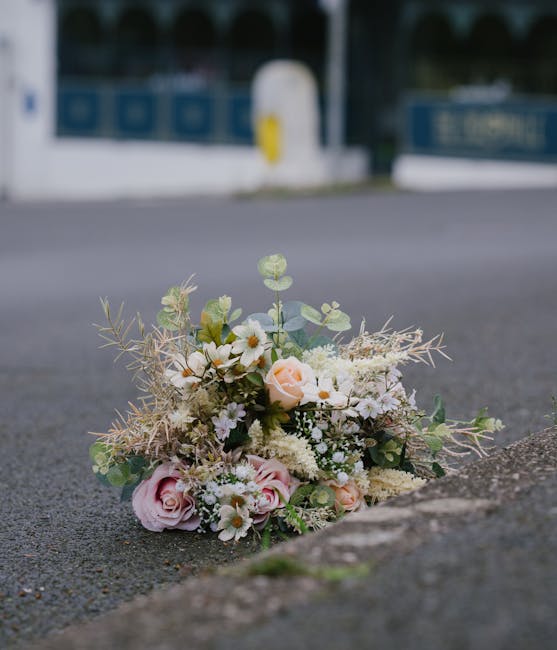
Fines & disposal: Richmond council rules for floral waste TW9
If you're dealing with spent bouquets, wilted stems, event remnants, or shop waste in TW9, the rules around floral disposal can feel oddly complicated. One moment it looks like "just green waste," and the next you're wondering whether a bag of mixed flower heads, cellophane, ribbon, and compostable wrap could create a problem with Richmond council. That's exactly why this guide exists. It explains the practical side of Fines & disposal: Richmond council rules for floral waste TW9 in plain English, so you can lower the risk of mistakes, stay on the right side of local expectations, and handle floral waste in a cleaner, calmer way.
Truth be told, most issues are not about flowers themselves. They happen when floral waste is mixed with the wrong materials, left in the wrong container, or put out in a way that creates litter, nuisance, or contamination. If you work in floristry, events, hospitality, facilities management, or you simply want to dispose of a large amount of flowers at home without causing a headache, the details matter more than people think.
This article walks through what floral waste usually includes, how disposal typically works in a council area like Richmond upon Thames, where fines can become a real concern, and what sensible best practice looks like in everyday TW9 life. A lot of it is common sense, yes, but common sense is often the first thing to disappear on a busy Monday morning.
Table of Contents
- Why Fines & disposal: Richmond council rules for floral waste TW9 Matters
- How Fines & disposal: Richmond council rules for floral waste TW9 Works
- Key Benefits and Practical Advantages
- Who This Is For and When It Makes Sense
- Step-by-Step Guidance
- Expert Tips for Better Results
- Common Mistakes to Avoid
- Tools, Resources and Recommendations
- Law, Compliance, Standards, or Best Practice
- Options, Methods, or Comparison Table
- Case Study or Real-World Example
- Practical Checklist
- Conclusion
- Frequently Asked Questions
Why Fines & disposal: Richmond council rules for floral waste TW9 Matters
Floral waste seems harmless at first glance. Flowers are soft, organic, and biodegradable, so what's the issue? The issue is that disposal is rarely just about the petals and stems. In real life, floral waste can include plastic sleeves, florist foam, wire, ribbons, elastic ties, paper wraps, tape, cardboard, and sometimes even waterlogged packaging that turns a tidy bin into a messy one. That mix is where problems begin.
In Richmond and across London boroughs, council waste rules are designed to keep streets clean, minimise contamination in recycling or garden waste streams, and prevent rubbish from being placed out incorrectly. If waste is left on the pavement too early, bagged badly, or dumped in a way that attracts pests or creates a mess, enforcement action becomes more likely. Nobody wants that, especially not for something as avoidable as flower offcuts.
The practical reason this matters is simple: floral waste can spread fast. One event weekend, one shop clearance, one hotel refresh, and suddenly there's a surprising amount of green waste and packaging to handle. When disposal is planned properly, you avoid spoilage, odour, overflowing bins, and awkward conversations with neighbours or building managers. When it isn't, even a small mistake can become visible very quickly.
There's also a reputation angle. For businesses in TW9, clean waste handling signals professionalism. Guests notice when back-of-house areas are tidy. Residents notice when communal bins don't smell. And council officers, if they do inspect or receive complaints, tend to notice the same things everyone else notices: litter, spillages, and lazy sorting.
Expert summary: the real risk with floral waste is usually not the flowers themselves, but the way they are mixed, stored, and presented for collection. Keep organic material separate, keep packaging under control, and keep the outside area tidy. That alone avoids a lot of trouble.
How Fines & disposal: Richmond council rules for floral waste TW9 Works
Let's break the process down in a practical way. Richmond council rules for floral waste TW9 are best understood as part of the wider local waste system. The council expects waste to be presented correctly, separated where required, and not left in a way that causes nuisance or breaches collection arrangements. Exact operational details can vary by property type and collection service, so it is always sensible to confirm what applies to your address or business setup.
Here's the basic structure most people need to think about:
- Organic floral material: stems, leaves, petals, and spent blooms.
- Contaminants: ribbon, plastic wrap, tape, florist foam, wires, and non-compostable packaging.
- Storage: how waste is held before collection, especially in warm weather when fresh flowers can go soggy and smelly by afternoon.
- Presentation: whether waste is bagged, placed in the right bin, or kept for a designated collection day.
- Clean-up: ensuring there is no spillage, oversize overflow, or loose material blown into the street.
In many day-to-day situations, the main question is not "Are flowers allowed?" but "What else is attached to them?" A bunch of roses with paper wrap is a different disposal problem from a florist's mixed waste sack containing foam, string, cellophane, and cut stems. That difference matters because council and waste contractors look closely at contamination.
If you are a resident, the process may be as simple as removing all non-organic items and placing the floral material in the appropriate waste stream. If you run a business, especially one producing waste regularly, you may need a more structured disposal routine. That might involve a separate collection, clearer internal sorting, or a better storage system to keep waste from becoming a nuisance before collection day. Nothing glamorous. Very necessary though.
Fines generally become a concern where waste is dumped, fly-tipped, littered, overfilled, or presented in a way that ignores local rules. They can also arise where repeated non-compliance leads to complaints. The exact enforcement route depends on the nature of the breach, but the safest assumption is this: if waste is messy, mixed, or ignored, the risk rises.
Key Benefits and Practical Advantages
Getting floral waste disposal right offers more than just peace of mind. It makes the whole space work better. That might sound a bit grand for some petals and leaves, but in practice the benefits are real.
- Lower risk of fines or complaints: correct disposal reduces the chance of enforcement action or neighbour disputes.
- Cleaner premises: less odour, less leakage, less trail of petals across the pavement.
- Better recycling or composting outcomes: clean organic waste is easier to process than contaminated mixed waste.
- More efficient operations: staff know exactly where waste goes, so there's less second-guessing.
- Improved presentation: especially relevant for florists, hotels, restaurants, wedding venues, and corporate spaces in TW9.
- Reduced pest attraction: soggy mixed waste is far more likely to create problems than well-managed floral material.
For households, the benefit is mainly convenience and hygiene. For businesses, it can also be cost control. Mixed waste is often more expensive to deal with than sorted waste, and poor handling can create extra labour costs. It's one of those unglamorous admin wins that quietly saves time every week.
There is another subtle advantage: good waste practice supports sustainability. If you care about reducing unnecessary landfill burden, then separating suitable organic waste from packaging is a meaningful start. You don't need a perfect system on day one. Just one that is honest, tidy, and repeatable.
Who This Is For and When It Makes Sense
This topic matters to more people than you might expect. Floral waste shows up in homes, shops, venues, offices, and communal buildings. In TW9, it is especially relevant where there is a steady flow of events, hospitality use, or regular flower deliveries.
You may need this guidance if you are:
- A florist or flower retailer handling daily stem offcuts, failed stock, or packaging waste.
- An event planner or venue manager dealing with wedding flowers, centrepieces, and post-event clear-up.
- A hotel, restaurant, or office manager refreshing arrangements regularly.
- A resident disposing of a large bouquet after an occasion, funeral, or celebration.
- A facilities team managing shared bins, service yards, or communal spaces.
It makes the most sense to review disposal rules when floral waste starts becoming regular rather than occasional. If you only have one small bouquet every few weeks, the process may stay simple. But if you are emptying buckets of stems on a schedule, or dealing with mixed decorative waste after events, that's when a structured approach pays off.
Ask yourself: are you dealing with a one-off tidy-up, or a repeat waste stream? That one question usually tells you how much detail you need. To be fair, most problems show up when people assume a one-off habit will work for a recurring business task. It doesn't. Not for long.
Step-by-Step Guidance
Here is a clear, practical method for handling floral waste properly in TW9.
- Separate organic material from packaging. Take off ribbon, tape, plastic sleeves, foam, wire, and any decorative extras before you do anything else.
- Check what can genuinely be treated as green waste. Pure stems, leaves, and spent blooms are usually the easiest part. Mixed materials are the tricky part.
- Use the correct container. If you have a designated garden or organic waste bin, use it only for suitable material. If not, follow the waste arrangement that applies to your property or business.
- Keep waste dry where possible. Wet floral waste can smell quickly and leak onto hard surfaces. A lined container or a daily emptying routine helps a lot.
- Do not overfill bins or leave bags beside them. Overflows are one of the quickest ways to create a visible issue and attract complaints.
- Store waste securely until collection. Keep bags closed, lids shut, and loose petals contained. A windy day in Richmond can make a mess in seconds.
- Clean the area after disposal. Sweep loose leaves, wipe spills, and make sure nothing has blown into shared paths or kerbs.
- Review the routine regularly. If you keep having the same issue, the system needs adjusting. Usually the system, not the people, is the problem.
For businesses, a simple written process helps. Nothing fancy. A short note on what goes where, who empties which bin, and what to do with packaging. That alone can cut mistakes dramatically, especially during busy periods.
Expert Tips for Better Results
Small changes make a big difference with floral waste. In our experience, the most effective systems are boring in the best possible way: predictable, tidy, and easy to follow on a hectic day.
- Remove wrap immediately: don't let staff or household members "deal with it later." Later often means never.
- Use a dedicated caddy for organic stems: keeping flower offcuts separate from general rubbish avoids contamination.
- Empty wet waste early: if bouquets have been in water, drain what you can before disposal.
- Train temporary staff: seasonal or event workers often need extra direction because they are learning fast and moving faster.
- Keep a spare liner or sack nearby: if the bin is inconvenient, people are more likely to dump waste in the wrong place.
- Watch for hidden mixed materials: florist foam, ties, stickers, and tape often sneak through unnoticed.
A good rule of thumb is this: if you wouldn't be happy seeing it blown into the street, it needs firmer handling. Another useful habit is to check waste at the end of the day rather than the beginning. End-of-day checking catches the mess before it becomes tomorrow's problem.
If your operation produces floral waste regularly, consider whether your current bin size and collection routine still fit the volume. A system that worked for ten bouquets a week may fall apart at fifty. Happens all the time, honestly.
Common Mistakes to Avoid
Most compliance issues around floral waste are ordinary mistakes, not deliberate rule-breaking. That is slightly comforting, but it also means they are easy to prevent.
- Mixing flowers with general rubbish: this can contaminate waste streams and create smell or leakage.
- Leaving packaging attached: plastic sleeves and foam often make organic waste unsuitable for composting.
- Putting bags out too early: early placement increases the chance of torn bags, pests, or windblown litter.
- Overstuffing bins: when lids won't close, the waste becomes visible and far harder to manage.
- Ignoring communal rules: shared buildings often have specific arrangements that are easy to overlook.
- Assuming compostable means accepted everywhere: not all compostable packaging is handled the same way, so check before you rely on the label.
- Forgetting the cleanup: loose petals on steps or pavements can look untidy fast, especially in damp weather.
One slightly frustrating reality is that "it's only flowers" does not usually help once the waste is causing a mess. The surroundings matter. The bin area matters. The timing matters. All of it, really.
Tools, Resources and Recommendations
You do not need specialist equipment to manage floral waste well, but a few simple tools make a noticeable difference. The aim is to reduce mess, reduce handling time, and keep waste in the right place.
- Sturdy bin liners: useful for catching damp stems and reducing leaks.
- Lidded bins or caddies: these help contain odour and prevent waste from blowing around.
- Secateurs or waste snips: handy for breaking down long stems so they fit better.
- Separate storage crates: useful for businesses sorting pure organic waste from packaging.
- Cleaning cloths and a brush: for sweeping petals, leaves, and water drips before they spread.
- Simple internal signage: especially helpful in shared workplaces where staff may not all know the routine.
For businesses that also sell flowers or arrange deliveries, related operational pages such as flower care guidance and delivery information can support a more organised workflow overall. If you are reviewing broader business practices, the company's sustainability approach may also be worth a look because waste sorting and lower contamination sit naturally within that bigger picture.
And yes, if you need to contact the team about a practical order or operational query, you can use the site's contact page. Simple enough. No drama.
Law, Compliance, Standards, or Best Practice
Without pretending to be the council itself, the safest way to think about compliance in TW9 is this: follow the local collection rules that apply to your property, keep waste contained, avoid contamination, and do not place rubbish in a way that creates nuisance or visual blight. In the UK, waste duties are usually built around proper storage, lawful transfer, and responsible presentation for collection. That is the basic frame.
For floral waste specifically, best practice usually means:
- Separating organic material from plastics and other non-organic items;
- Keeping waste from leaking or spilling into shared areas;
- Using the correct collection stream for the property type;
- Preventing fly-tipping, overflow, and street litter;
- Following any site-specific rules in flats, mixed-use buildings, or business premises.
If you manage a business, the practical standard is even higher because waste production is predictable. That means regular sorting, clear responsibility, and a routine that staff can actually follow. A policy nobody remembers is not a policy, it is a hopeful document in a drawer.
One useful habit is to keep a quick waste log for busy periods. It doesn't have to be formal. Just note when floral waste is generated, where it goes, and whether anything unusual was included. That kind of record can help identify recurring issues before they become enforcement problems.
Options, Methods, or Comparison Table
Not every floral waste scenario needs the same approach. The best method depends on volume, setting, and how much packaging is involved. Here's a practical comparison.
| Method | Best for | Strengths | Watch-outs |
|---|---|---|---|
| General residual waste | Small mixed household flower waste with non-compostable extras | Simple and familiar | Can be wasteful if the organic part could have been separated |
| Organic or garden-style waste | Clean stems, leaves, and blooms | Cleaner disposal, better sustainability outcome | Must avoid plastic, wire, foam, and contamination |
| Dedicated business waste routine | Florists, venues, hotels, and offices with regular floral waste | More controlled, efficient, and professional | Needs staff training and consistent oversight |
| Event clean-down process | Wedding and event venues after large floral displays | Fast clear-up and reduced mess | Can be overlooked when teams are tired and moving quickly |
In simple terms, the cleaner the floral waste stream, the better the outcome. If you can separate stems from packaging, do it. If you cannot, make sure the remaining waste is handled in a way that suits the local collection arrangement. The "best" option is usually the one your team will actually use consistently.
Case Study or Real-World Example
Picture a small TW9 boutique preparing for a busy Saturday. Delivery crates arrive in the morning, the front display gets refreshed by lunch, and by late afternoon there's a mix of flower offcuts, cellophane sleeves, water-soaked paper, and a few lengths of ribbon from wrapped bouquets. Nothing dramatic. Just normal shop life.
On a rushed day, that waste can go one of two ways. In the first version, everything is tossed into one bag, the bag is left open near the back door, and a little spill ends up on the pavement. By evening, the area smells damp, petals are scattered, and a neighbour has to step around the mess. Not ideal. In the second version, the shop strips packaging as flowers are processed, keeps organic material in a lidded container, places non-organic materials in the right waste stream, and gives the floor a quick sweep before close. Same volume of waste. Very different outcome.
That is the heart of good floral waste management. It is not complicated, but it needs rhythm. Once the team gets into the habit, the process becomes almost invisible. And that's what you want. No surprises, no smell, no little trail of stems down the alleyway. Nice and plain, really.
Practical Checklist
Use this checklist before you put floral waste out for collection or bin it at the end of the day.
- Have I removed all plastic wrap, tape, foam, wire, and ribbon?
- Is the waste in the correct bin or collection stream for the property?
- Are the bags closed and the lids shut?
- Is there any liquid that could leak or create a spill?
- Have I checked for loose petals, leaves, or stems on the floor?
- Is the waste area tidy enough that it will not attract complaints?
- If this is a business, do staff know the routine?
- Have I avoided overfilling the bin or leaving bags beside it?
- Does anything in the waste look like a contaminant that should be removed?
- Would I be comfortable if a neighbour or inspector saw this setup?
If the answer to any of those is "not really," it is worth taking two extra minutes to sort it out. Two minutes now is better than a messy morning tomorrow.
Conclusion
Fines & disposal: Richmond council rules for floral waste TW9 are less about dramatic punishments and more about simple, repeated good habits. Keep floral waste clean, separate organic material from packaging, use the right bin, and avoid letting waste spill into shared spaces. That is the practical centre of it. And once you build the routine, it becomes easy enough to live with, even on busy days.
For residents, that means fewer messes and less stress. For florists, venues, and local businesses, it means smoother operations, better presentation, and a lower risk of avoidable trouble. The small details are what save you here. A wrapped bouquet handled properly feels like nothing at all. Handled badly, it can become a nuisance by tea time.
If you are reviewing your wider flower-handling or delivery workflow, it may also help to revisit the business pages on flower delivery options, service guarantees, and the company's sustainability commitment. Sometimes the waste question is really a process question, and fixing the process clears up half the problem.
Get a free quote today and see how much you can save.
And if all you take away from this is one thing, let it be this: tidy waste habits are not a chore, they are a quiet form of respect for the street, the people around you, and your own peace of mind.
Frequently Asked Questions
What counts as floral waste in TW9?
Floral waste usually includes spent flowers, stems, leaves, cuttings, and similar organic material. It can also include packaging from bouquets, but those non-organic parts should usually be separated before disposal.
Can I put flowers in my garden or organic waste bin?
In many cases, clean flower stems and blooms can go with organic or garden-style waste, but it depends on the collection rules that apply to your property. The key point is to keep out plastic wrap, tape, foam, and wire.
What causes fines or enforcement issues with floral waste?
Problems usually arise when waste is dumped, overfilled, left on the pavement, mixed badly, or allowed to create litter or nuisance. The flowers themselves are rarely the issue; it is the handling around them.
Do compostable flower wraps always count as acceptable waste?
Not automatically. Even if something is labelled compostable, the local collection system may not accept it in the way you expect. It is safer to separate it unless you know it belongs in that stream.
How should florists dispose of daily stem offcuts?
Florists usually do best with a clear separation process: pure green waste in one container, packaging in another, and a consistent end-of-day clean-up. That keeps the workspace tidy and reduces contamination.
Is it okay to leave floral waste beside the bin if it does not fit?
Usually not a good idea. Overflowing or bagged waste beside bins is one of the most common sources of complaints. If the bin is too small, the system needs adjusting rather than improvising.
What should I do with water from flower buckets?
Drain it carefully so it does not spill across floors or pavements. Water mixed with plant matter can make surfaces slippery and can create odour if left sitting around. A small spill turns into a bigger annoyance very quickly.
Do Richmond council rules treat business floral waste differently from household waste?
They can, because businesses often generate larger and more regular waste volumes. That means the sorting, storage, and collection method may need to be more structured. It is worth checking the specific arrangement that applies to the premises.
How can I reduce the risk of complaints from neighbours or building managers?
Keep waste contained, remove packaging promptly, sweep loose petals, and avoid putting bags out too early. A tidy bin area goes a long way. Honestly, people notice when it looks cared for.
What is the simplest safe approach if I am unsure what goes where?
Separate organic floral material from all non-organic items, keep everything contained, and follow the collection method that clearly applies to your property. If you are still unsure, check your local arrangements before disposing of a large amount.
Does floral waste smell if it is left too long?
Yes, especially when it is wet, warm, or mixed with other rubbish. Fresh flowers can turn surprisingly quickly once they are cut, drained poorly, or stored in a hot area. Emptying and cleaning regularly helps a lot.
Where can I find related flower service and policy information on this site?
Helpful pages include the about us page, delivery details, flower care guide, and the site's returns and refund policy. They are useful if you want the wider service picture as well as the waste side.