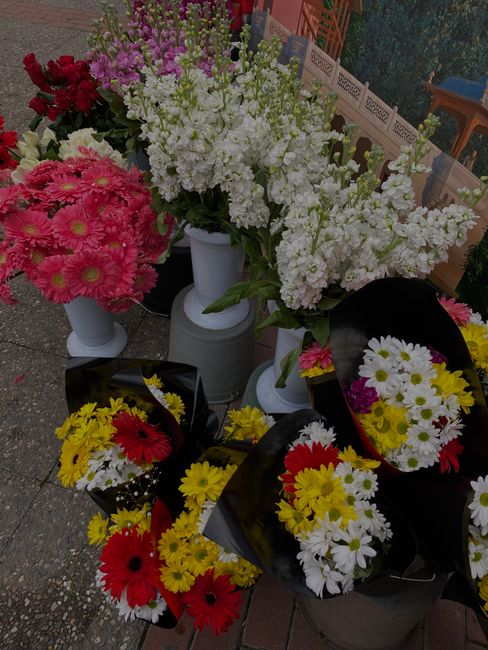
Richmond upon Thames Council rules for street flower stalls: a practical guide for traders
If you are planning a street flower stall in Richmond, the paperwork and permissions can feel like the least romantic part of the job. Fresh blooms, early mornings, a busy pavement, and then suddenly you are asking: what exactly do Richmond upon Thames Council rules for street flower stalls require? That question matters more than most traders realise. Get it wrong and you can lose time, money, and trading momentum. Get it right, and the stall feels smooth, compliant, and far less stressful.
This guide breaks the topic down in plain English. You will find what the rules are trying to achieve, how the process usually works, who needs to be involved, what good practice looks like, and where people most often trip up. There is a lot here, but it is the useful kind. Let's keep it practical.
Table of Contents
- Why Richmond upon Thames Council rules for street flower stalls Matters
- How Richmond upon Thames Council rules for street flower stalls Works
- Key Benefits and Practical Advantages
- Who This Is For and When It Makes Sense
- Step-by-Step Guidance
- Expert Tips for Better Results
- Common Mistakes to Avoid
- Tools, Resources and Recommendations
- Law, Compliance, Standards, or Best Practice
- Options, Methods, or Comparison Table
- Case Study or Real-World Example
- Practical Checklist
- Conclusion
- Frequently Asked Questions
Why Richmond upon Thames Council rules for street flower stalls Matters
Street flower stalls are small in scale, but they sit at the crossroads of public space, trade, safety, and local character. That is why council rules matter so much. A floral display on a pavement might look simple from the outside, yet it can affect pedestrian flow, shopfront access, waste management, visual amenity, and even how a street feels at peak times. Richmond upon Thames is known for attractive retail areas, neighbourhood centres, and busy local footfall, so the balance between trading and keeping the street pleasant is a real issue.
From a trader's point of view, the rules matter because they influence where you can operate, what permissions you may need, how your stall is laid out, and whether you can keep trading without interruption. Nobody wants to spend a Saturday morning setting up only to discover the arrangement is not allowed. In our experience, the less glamorous admin often decides whether a stall survives the first year.
There is also a wider trust point. Customers notice whether a stall looks orderly, clean, and well-managed. A stall that is tidy and clearly authorised feels more reliable. A stall that blocks a kerb, creates clutter, or seems ad hoc can quickly draw complaints. And once complaints start, things get harder. Truth be told, a good-looking stall is only half the job; the compliance piece is the other half.
For Richmond specifically, local expectations tend to reflect the character of the area: pedestrian safety, shopfront access, and respectful use of the public realm. That does not mean the process is impossible. It means you need to treat the stall as a proper trading operation, not just a table with buckets. Tiny distinction. Big consequence.
How Richmond upon Thames Council rules for street flower stalls Works
While the exact route can vary depending on location, street layout, and whether you are occupying public highway space, the basic principle is usually straightforward: if you want to trade from the street, you need to check whether you need permission to use the space. In many cases, this is the key issue. The council wants to know who is trading, where they are trading, and whether the stall can operate safely without causing nuisance or obstruction.
For flower stalls, the practical questions usually include:
- Is the stall on public land or private land?
- Does the pitch affect pavement width or access for pedestrians?
- Will the stall sit close to a shop frontage, entrance, bus stop, or crossing?
- Is the display temporary, seasonal, or permanent?
- Does the setup include stands, umbrellas, signage, planters, or storage items?
If the stall is on public highway, the council may require a licence, permit, or other form of agreement. If it is on private land, you may still need landowner permission, planning consideration, or other local checks depending on the use. It is rarely just one question. More often it is a small chain of them.
The rules can also connect to wider responsibilities. Even where a council is supportive of small traders, the stall still needs to respect pedestrian movement, fire safety principles, waste disposal, and any relevant trading standards or environmental health expectations. That is the part people sometimes underestimate. A pretty stall is nice; a lawful and usable stall is better.
If you are already operating another local business, it may help to think of the stall as an extension of your customer-facing setup rather than a separate hobby. The same care you would use for signage, cleanliness, and layout should carry over here. If you are planning a broader operation, you may also want to review related business guidance such as the website's blog resources if a suitable topic page is available on your site structure. Where no relevant page exists, keep the focus on your stall application and compliance documentation instead.
Key Benefits and Practical Advantages
People often think compliance is only about avoiding penalties. That is part of it, yes, but not the whole story. Following Richmond upon Thames Council rules for street flower stalls can create genuine commercial advantages.
1. Fewer interruptions
When the stall is properly set up, you are less likely to face objections from enforcement officers, residents, or nearby businesses. That means more time selling and less time explaining. And let's be honest, explaining yourself to three different people before 9 a.m. is nobody's idea of a thriving flower business.
2. Better customer confidence
A tidy, clearly managed stall encourages impulse purchases. Flowers are emotional purchases anyway. Customers often buy because the display feels welcoming, fresh, and trustworthy. Order matters. So does spacing. So does the sense that someone is in charge.
3. Stronger local relationships
When you work with the street rather than against it, nearby retailers, residents, and passers-by tend to respond better. That can matter a lot in a compact town centre where word travels fast.
4. Easier scaling
If you ever want to add another pitch, extend hours, or operate seasonally, a compliant foundation makes everything easier. You are not starting from scratch every time.
5. Lower risk of avoidable costs
Non-compliance can lead to wasted stock, lost trade days, and possibly the expense of rearranging or relocating. A bit of planning upfront is usually cheaper than fixing a problem after the flowers have already wilted in the sun.
Expert summary: The best street flower stalls do more than look attractive. They fit the street, respect access, and show that the trader understands the local environment. That combination is what keeps the business viable.
Who This Is For and When It Makes Sense
This topic is relevant to several different people, and each one comes at it with a slightly different need.
Independent flower sellers
If you sell bouquets, seasonal arrangements, potted plants, or cut flowers from a pavement pitch, this is directly relevant. You need to know what permissions apply before you buy stock in volume.
Market traders expanding into street trading
Many market traders are used to a defined pitch. Street trading can feel similar, but the legal and spatial context is not the same. A market stall may operate under a different arrangement from a pavement flower stand, so do not assume the same rules carry across.
Local shops with a floral display outside
Some florists want to place stands outside their premises to attract walk-in customers. That can be effective, but the display still needs to be compatible with access and any applicable permissions.
Seasonal traders
Mother's Day, Valentine's Day, weddings, spring weekends, and festive periods often create short bursts of demand. A seasonal flower stall can make sense if the permissions are sorted early enough. The worst setup is a last-minute rush a few days before the peak trading window.
Business owners comparing locations
If you are weighing Richmond against other boroughs, this is also a useful lens. Some trading environments are easier because the street geometry, footfall, or local rules are more predictable. Others offer better customer demand but tighter compliance requirements. It is a trade-off. Always is.
This matters most when you are deciding whether a stall is a side venture or a more serious trading channel. If it is the latter, treat the permissions process as part of your business model, not as an annoying admin task to be tolerated later.
Step-by-Step Guidance
Here is a practical route through the process. The precise council steps can vary, so think of this as a clear working framework rather than a promise of one fixed form or one universal sequence.
- Identify the exact pitch location. Know the street, frontage, and footprint. A rough idea is not enough. Measure the space if you can, and note nearby features such as bins, crossings, railings, or entrances.
- Check whether the land is public or private. This is one of the first branching points. A stall on the highway usually raises different questions from one on private forecourt space.
- Review the likely need for permission. Ask whether a street trading authorisation, pavement licence, or other permission route applies. If the location is sensitive, expect extra scrutiny.
- Prepare a simple stall plan. A sketch is often enough to start, but it should show the stall size, display elements, customer queue area, and remaining pedestrian clearance.
- List what the stall will include. Think buckets, stands, tables, signage, umbrellas, storage tubs, and any power supply or water containers.
- Check operating hours and seasonality. Early mornings, late finishes, or holiday trading can all affect how the stall is assessed.
- Gather business details. Be ready with your trading name, contact details, insurance information if required, and any relevant business registration details.
- Consider public safety and cleanliness. Plan for water spills, dropped petals, packaging waste, and how you will keep the area tidy during the day.
- Submit or discuss the application. If a formal application is needed, do it early. If informal clarification is allowed first, take that route before committing to stock or signage.
- Adjust based on feedback. You may be asked to reduce the footprint, move the stall, change the layout, or provide more detail. Small adjustments can make approval much more likely.
A realistic example: imagine a florist wants to place a compact display outside a shop on a busy stretch in the late afternoon. The pitch looks fine at first glance, but once you account for pedestrians with shopping bags, parents with buggies, and a delivery rider stopping nearby, the usable space shrinks fast. That is exactly why the sketch matters. The street always feels narrower once people arrive. Always.
Quick rule of thumb: if your stall feels "just about okay" when empty, it may be too tight once customers gather. Build a bit of breathing room into the plan.
Expert Tips for Better Results
There are a few things that consistently make flower stalls run better in real life. Not glamorous stuff, but it works.
Keep the layout open and legible
People buy flowers quickly when the display feels easy to browse. Use clear grouping by colour, type, or price point. Don't overcrowd the table. A bit of negative space can make the arrangement look more premium.
Think about weather before anything else
British weather is famously cooperative right until it is not. Wind can topple lightweight displays, rain can ruin packaging, and direct sun can shorten the life of cut flowers. Choose containers and anchors that suit outdoor use, and have a plan for shade or cover where allowed.
Be polite to the pavement
That sounds odd, but it is real. Wet boxes, broken stems, muddy water, and loose cellophane can make a stall feel messy very quickly. Clean it as you go. Little reset moments during the day help more than you'd think.
Prepare for peak moments
Morning commuter traffic, school runs, lunch breaks, and end-of-day homeward footfall all feel different. The stall should work at the busiest point, not just during a calm test setup on an empty pavement at 7 a.m.
Use simple pricing
Floors of the market may be informal, but your pricing should be easy to scan. People do not want to hunt through six handwritten signs. One clear board is better than three competing ones.
Keep a fallback plan
If the weather turns or footfall is lighter than expected, know which stock can be moved, reduced, or stored safely. A good trader stays flexible. A very good trader does that without looking panicked.
One practical note: it helps to photograph your final stall layout once it is approved or working well. That way you have a reference if staff change, stock changes, or someone else sets it up for you one morning. Saves a lot of fiddly memory-based guesswork.
Common Mistakes to Avoid
Some errors show up again and again, and they are usually fixable. The problem is that they are also easy to repeat if you are rushing.
- Assuming a flower stall is too small to need permission. Small does not always mean exempt.
- Placing stock too far into the pedestrian route. A narrow gap is not the same as a workable gap.
- Forgetting about wind and spill risk. Buckets can move. Water can spread. People can slip.
- Using a layout that looks fine in storage but not on a real street. What works in a depot often fails outside.
- Leaving waste until the end of the day. Loose wrap and cut stems make the stall look neglected quickly.
- Over-signposting everything. Too many signs can make the display feel cluttered and harder to buy from.
- Ignoring nearby shop access. If customers or staff cannot move comfortably, you are creating friction where there should be flow.
- Waiting too long to sort permissions. Seasonal demand can disappear while you are still waiting for paperwork.
There is also a softer mistake: assuming the council is the only audience. It is not. Your customers, neighbours, and other traders are also reading the stall, in a sense. If they see care, they relax. If they see chaos, they notice that too. Human nature, really.
Tools, Resources and Recommendations
You do not need a giant toolkit to run a street flower stall well, but a few practical items make life easier.
Useful items for setup
- Measuring tape for stall width and clearance
- Weather-resistant display containers
- Weighted bases or stable supports where appropriate
- Simple pricing boards
- Reusable cleaning cloths or wipes
- Waste bags or a tidy disposal system
- Phone camera for documenting the approved or preferred layout
Documents worth keeping together
- Any permission or licence paperwork
- Proof of identity and business details
- Insurance records, if applicable
- Stall layout sketch or photographs
- Contact details for the site owner or relevant council officer
Practical working habits
Keep a folder, physical or digital, with the most current version of everything. That sounds painfully ordinary, but it prevents a lot of day-to-day friction. If someone asks for details, you want to answer in minutes, not dig through six half-finished notes on your phone.
If your stall operation is part of a broader business, it can also help to review related local trading pages on your own site where available. A well-structured business website can support customer trust, especially if people want to see opening times, service areas, or broader trading information before they visit.
Law, Compliance, Standards, or Best Practice
Because street trading touches public space, it is wise to treat compliance carefully. The exact legal route depends on the location, the nature of the stall, and the form of occupation. In practical terms, that usually means checking whether you need express permission to trade, whether the stall is considered an obstruction risk, and whether any public liability or operational safeguards are expected.
Best practice usually covers the following:
- Keep pedestrian access clear. This is not just a courtesy; it is a core safety issue.
- Do not create trip hazards. Cables, crates, loose signage, and overhanging displays all need checking.
- Manage water carefully. Flower stalls often use water daily, and spills should be controlled.
- Maintain a clean frontage. Petals and wrap look charming in a bouquet, not scattered across the pavement.
- Use stable structures. Outdoor trading needs sturdier setup habits than indoor retail.
- Respect neighbours. Keep noise, queuing, and storage under control.
One point worth stressing: if you are unsure whether your specific setup needs a particular permission, do not guess. Get clarity first. A short conversation now is better than a painful correction later. The same applies if the stall sits near a shop entrance, a narrow section of pavement, or any place where access already feels tight.
Practical compliance summary: The safest approach is to plan the stall as if someone will inspect the space on a busy day, because that is closer to reality than the neat empty-pavement version you picture in your head.
Options, Methods, or Comparison Table
Not every flower-selling setup in Richmond will work the same way. Here is a simple comparison to help you think through the main options.
| Setup type | Where it usually fits best | Pros | Common drawbacks |
|---|---|---|---|
| Small pavement flower stall | High-footfall retail fronts, compact pitches | Visible, flexible, low overhead feel | Space constraints, permissions, weather exposure |
| Shopfront display outside a florist | Outside an established premises | Strong branding, easy customer flow | Must preserve access and frontage clarity |
| Seasonal pop-up flower stand | Holiday periods, event-driven trading | Good for peaks and test trading | Short trading window, setup rush, supply pressure |
| Market-style stall in a defined pitch | Managed trading environments | More structured, often clearer boundaries | Less spontaneity, pitch rules may differ |
The best option depends on how often you want to trade, how much stock you carry, and how much street management you can tolerate. If you want occasional, flexible sales, a pop-up may be ideal. If you want a more stable customer base, a regular pitch or shopfront display may suit you better. There is no one-size-fits-all answer here, and that is perfectly normal.
Case Study or Real-World Example
Picture a small independent florist preparing for a Saturday street stall near a busy local shopping area in Richmond. The owner wants to sell mixed bouquets and a few seasonal plants. The first version of the plan is simple: one table, several buckets, a handwritten price sign, and a small parasol. On paper, it seems fine.
Then the owner measures the pavement. Suddenly the display takes up more room than expected once the buckets are spaced safely apart. Add a passing pushchair, a shopper pausing to look, and a pedestrian trying to pass in the other direction, and the layout becomes tight very quickly. The owner reduces the footprint, swaps to a slimmer table, and keeps the best-selling bouquets in front. The result is tidier, easier to browse, and much less likely to attract complaints.
That is the point. Good street trading is usually won in the details. The flowers are still the star. But the stall itself does the quiet work.
In that sort of setup, the trader benefits from knowing the local rules before the first bucket is filled. The stall feels calmer, the display looks more intentional, and customers are more likely to buy without hesitating. A small adjustment at the planning stage can change the feel of the whole day.
Practical Checklist
Use this as a simple pre-trading check before you set up your flower stall.
- Have I confirmed the exact pitch location?
- Do I know whether the land is public or private?
- Have I checked what permission or authorisation may be required?
- Do I have a clear stall layout with realistic dimensions?
- Will pedestrians still have enough space to pass comfortably?
- Have I planned for wind, rain, or strong sun?
- Are my containers, stands, and signs stable?
- Do I know how I will manage water and waste?
- Is my pricing easy to understand at a glance?
- Do I have the right business and contact details ready?
- Can I keep the stall clean throughout the day?
- Have I thought about nearby entrances, crossings, or transport stops?
If you can tick most of those off confidently, you are already ahead of a lot of first-time traders. Not perfect. Just better prepared. And honestly, that matters more than sounding polished.
Conclusion
Richmond upon Thames Council rules for street flower stalls are really about balance: giving traders a chance to operate while protecting access, safety, and the character of the street. If you understand the layout, plan early, and treat the stall as a proper trading setup, you give yourself a much better chance of running smoothly.
The nicest stalls are not always the biggest ones. They are the ones that feel calm, tidy, and easy to approach. That is what customers remember. It is also what makes the council side of things easier to manage.
If you are planning a stall, start with the pitch, measure the space, and build the compliance into the design rather than tacking it on later. That approach saves time, reduces stress, and usually looks better too. A small, well-run flower stall can do a lot of good in a local street. There is something lovely about that, really.
Get a free quote today and see how much you can save.
Frequently Asked Questions
Do I need permission for a street flower stall in Richmond upon Thames?
In many cases, yes, especially if the stall uses public highway space or could affect pedestrian movement. The exact permission route depends on the location, ownership of the land, and how the stall is operated.
What counts as a street flower stall?
A street flower stall is usually any temporary or regular trading setup selling flowers, bouquets, plants, or similar items from a pavement, roadside pitch, forecourt, or other external space.
Can I place flowers outside my shop without extra checks?
Not always. Even if the display is outside your own premises, you may still need permission if the stall occupies public space or creates access issues.
How much space should I leave for pedestrians?
There is no universal answer here because it depends on the street, footfall, and local layout. The safe approach is to allow generous clearance and avoid placing stock where people naturally need to pass.
Are seasonal flower stalls treated differently?
Sometimes seasonal trading is handled differently from permanent setups, but it still needs to be assessed properly. A short trading window does not automatically remove the need for permission.
What documents should I prepare before applying?
It helps to have your business details, stall dimensions, a simple layout sketch, and any contact or insurance information that may be relevant. The more organised you are, the easier the conversation tends to be.
Do I need a formal stall plan?
Often a basic plan is very helpful, even if the application process starts informally. A clear sketch showing the stall footprint and pedestrian space can speed up discussions and reduce misunderstandings.
What are the most common reasons a stall gets challenged?
Common issues include blocked access, clutter, unsafe setup, poor housekeeping, and operating in a space that has not been properly agreed for trading.
Can I move my flower stall around from day to day?
Only if the relevant rules and permissions allow that. Moving a stall without checking the new location can create problems, even if the general trading idea is the same.
How do I make a small flower stall look professional?
Keep the display tidy, use stable containers, group products clearly, and avoid overcrowding. A simple, well-kept stall often looks more attractive than a busy one with too much happening.
What should I do if I am not sure whether my pitch is allowed?
Pause before investing in stock or signage and get clarity on the location first. A short check now is better than a forced change after you have already committed money and time.
Where should I start if I am new to street trading?
Start with the exact location, then work out whether the stall is on public or private land, and finally map the stall footprint. That sequence usually prevents the most common headaches.